
Understanding the psychological triggers of high-stakes gambling decisions
The Nature of High-Stakes Gambling
High-stakes gambling encompasses a range of betting activities where the risks and rewards are significantly amplified compared to traditional gambling. The adrenaline rush associated with placing large bets can create a euphoric experience for the gambler. This heightened emotional state is often a primary motivator behind high-stakes decisions, drawing individuals into a cycle of risk-taking that can be difficult to break. Understanding these emotional triggers is crucial for both players and stakeholders in the gambling industry. One popular choice for online gaming is Ragnar Casino, where players can find numerous games to explore.

Moreover, high-stakes gambling is often intertwined with social perceptions of wealth and success. For some, it provides an opportunity to display financial prowess and gain social status among peers. This external validation can amplify the psychological triggers that lead to high-risk decisions. As players wager larger sums, they may feel an increased sense of control, despite the reality that gambling is inherently unpredictable and laden with risks.
The complexity of high-stakes gambling decisions can also be attributed to cognitive biases. For instance, the illusion of control may lead players to believe they can influence the outcome of a game, despite the randomness involved. This psychological phenomenon serves to enhance the thrill of the gamble, making it even more enticing. The interplay of emotion, social dynamics, and cognitive biases contributes to a rich understanding of why individuals engage in high-stakes gambling.
Psychological Triggers in Gambling
Psychological triggers play a pivotal role in influencing gambling behaviors, especially in high-stakes environments. These triggers often stem from emotional responses, such as excitement, fear, or even desperation. The thrill of potentially winning a large sum can produce a rush of dopamine, creating a pleasurable experience that players may seek repeatedly. This neurochemical response can enhance the appeal of high-stakes gambling, leading to decisions that prioritize immediate gratification over long-term consequences.
Another significant psychological trigger is the concept of loss aversion, which suggests that individuals feel the pain of losing more acutely than the pleasure of winning. This can lead to a cycle of chasing losses, where players continue to gamble in an attempt to recover lost bets. This behavior can cloud judgment and lead to increasingly risky decisions, as individuals overlook the probabilities in favor of emotional desires. Understanding loss aversion is essential for recognizing the mental pitfalls that can arise during high-stakes gambling.
Furthermore, cognitive dissonance can emerge when players experience internal conflict between the reality of their gambling losses and their desire to view themselves as rational decision-makers. To alleviate this discomfort, players may rationalize their decisions or downplay the risks involved. This self-justification can lead to more significant gambling commitments, reinforcing high-stakes behaviors that are driven more by emotion than by sound judgment.
The Role of Environment and Social Influence
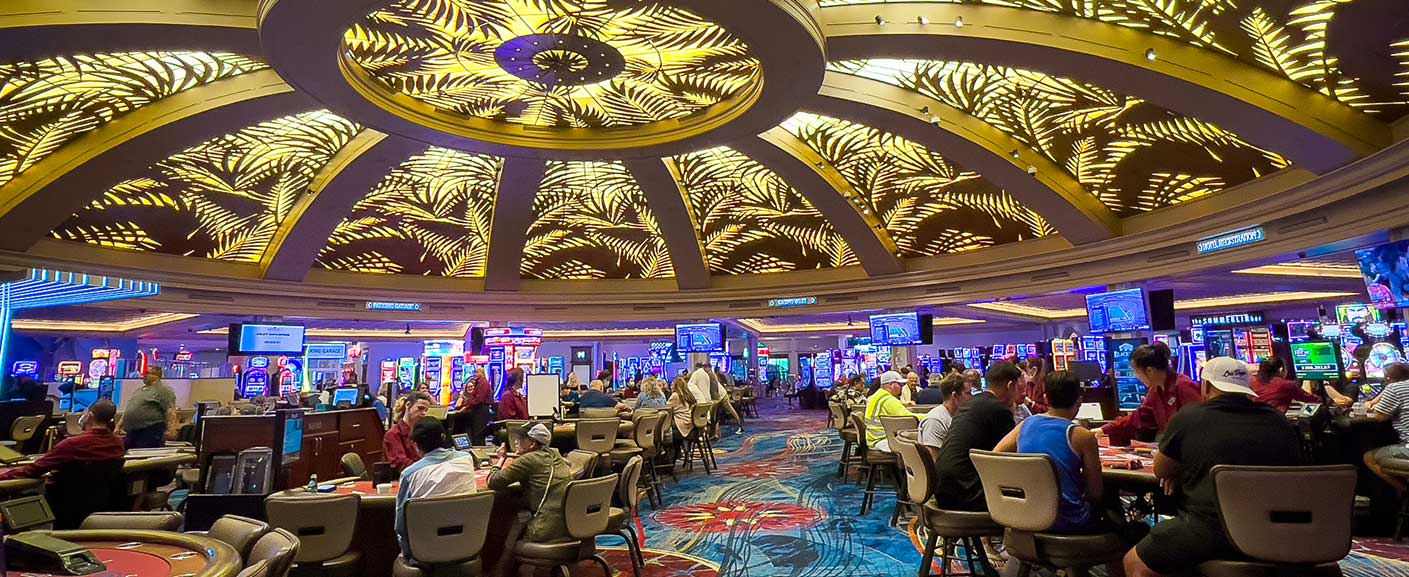
The environment in which gambling takes place significantly impacts decision-making processes. Casinos and online platforms often employ various strategies to enhance the gaming experience and encourage high-stakes betting. The design of a casino, including lighting, sound, and layout, is meticulously crafted to create a stimulating atmosphere that keeps players engaged. This sensory overload can heighten emotional responses, driving impulsive decisions.
Social influence also plays a crucial role in high-stakes gambling decisions. Players may feel pressure from peers or the culture surrounding gambling, which often glamorizes high-risk behavior. This social aspect can lead individuals to partake in high-stakes gambling as a way to fit in or impress others. Furthermore, social comparisons can affect decision-making; seeing others win big may trigger a desire to replicate that success, even when the odds are not in their favor.
Additionally, the impact of social media and online communities cannot be overlooked. The proliferation of gambling-related content can create a sense of community and shared experience among gamblers, further intensifying the desire to participate in high-stakes situations. These social dynamics contribute to a collective psychology that can embolden players to make riskier decisions than they might individually consider, thus amplifying the allure of high-stakes gambling.
Strategies for Responsible Gambling
Understanding the psychological triggers behind high-stakes gambling is essential for developing strategies that promote responsible gambling behaviors. One effective approach is setting strict limits on time and money spent on gambling activities. By establishing clear boundaries before participating, players can create a structured environment that minimizes impulsive decision-making. This proactive strategy can help mitigate the impact of emotional triggers, leading to a more controlled gambling experience.
In addition, educating gamblers about the risks associated with high-stakes betting can empower them to make informed choices. Knowledge of cognitive biases, emotional triggers, and the nature of probability can help players recognize when their decisions are being influenced by irrational thought processes. Regularly reviewing their gambling habits and understanding the psychological factors at play can promote self-awareness and encourage healthier gambling patterns.
Finally, seeking support from professional counseling or peer groups can be beneficial for individuals struggling with high-stakes gambling. Engaging in discussions about experiences, challenges, and strategies can provide valuable insights and foster a sense of accountability. Such support systems can aid in dismantling harmful gambling behaviors, ultimately leading to a healthier relationship with gambling.
Ragnaro Casino: A Safe Gaming Environment
Ragnaro Casino recognizes the significance of understanding psychological triggers in high-stakes gambling. This top online gaming platform is designed specifically for Canadian players and emphasizes a secure gaming experience that prioritizes player well-being. With an extensive library of games and robust support features, Ragnaro Casino aims to create an engaging yet responsible gambling environment.
The platform offers generous welcome bonuses and fast payouts, ensuring that players can enjoy their favorite games without unnecessary delays. Additionally, Ragnaro Casino provides 24/7 customer support, allowing players to seek help and guidance whenever needed. This commitment to player satisfaction and safety underscores the importance of fostering a responsible gambling culture.
Ultimately, Ragnaro Casino seeks to combine excitement with responsibility, offering players the opportunity to engage in high-stakes gambling while keeping their best interests in mind. By promoting awareness of psychological triggers and providing a secure platform, Ragnaro Casino stands as a leader in the online gaming industry, dedicated to a fun yet safe gambling experience.